Additional Services as Needed
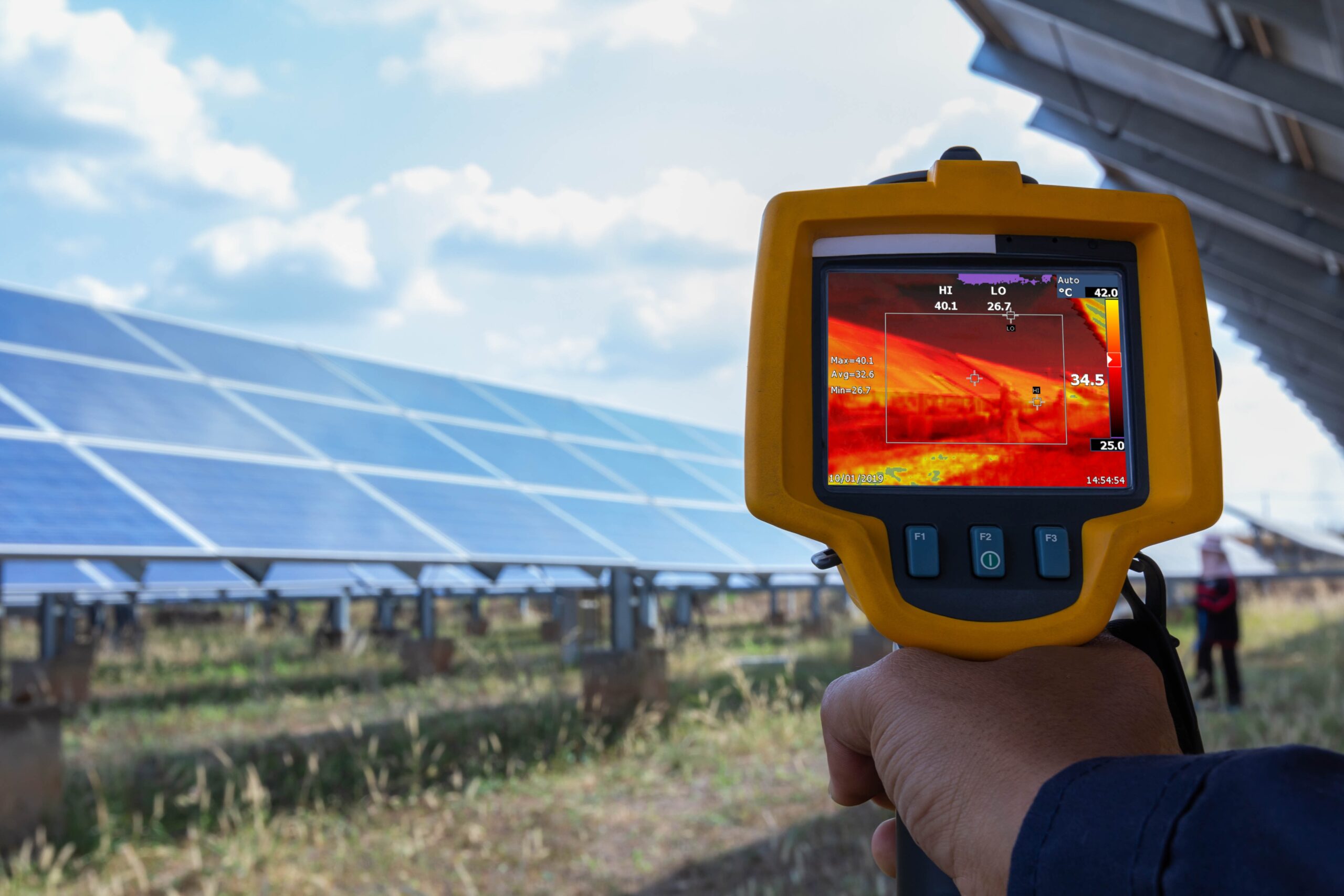
Thermography
Thermography in photovoltaics is an inspection method that uses infrared cameras to visualize the temperature distribution on the surface of solar modules. This technique is employed for early detection of potential issues and optimise the efficiency of the solar installation. Specialized infrared cameras capture the heat emitted by the solar modules, converting infrared radiation into a visible image. This enables the identification of hotspots, areas that overheat due to malfunctions or damage such as defective cells, dirty modules, or damaged connections. Hotspots can reduce the efficiency of the solar system and potentially lead to long-term damage.
Shading, dirt, or deposits on the modules can also be detected through thermography. These cause temperature variations visible in captured images, indicating uneven performance distribution.
Thermography can also be used to monitor the temperature of electrical connections and components. Overheated connections may indicate poor contacts or overloads. Regular inspections of the solar installation with a thermographic camera are worthwhile to detect damage before failure occurs, thus avoiding loss of revenue.
Vegetation Management
Vegetation management is often neglected, leading to significant yield losses.
Small trees and shrubs initially insignificant during installation can cast significant shade over time, adversely affecting the overall system yield.
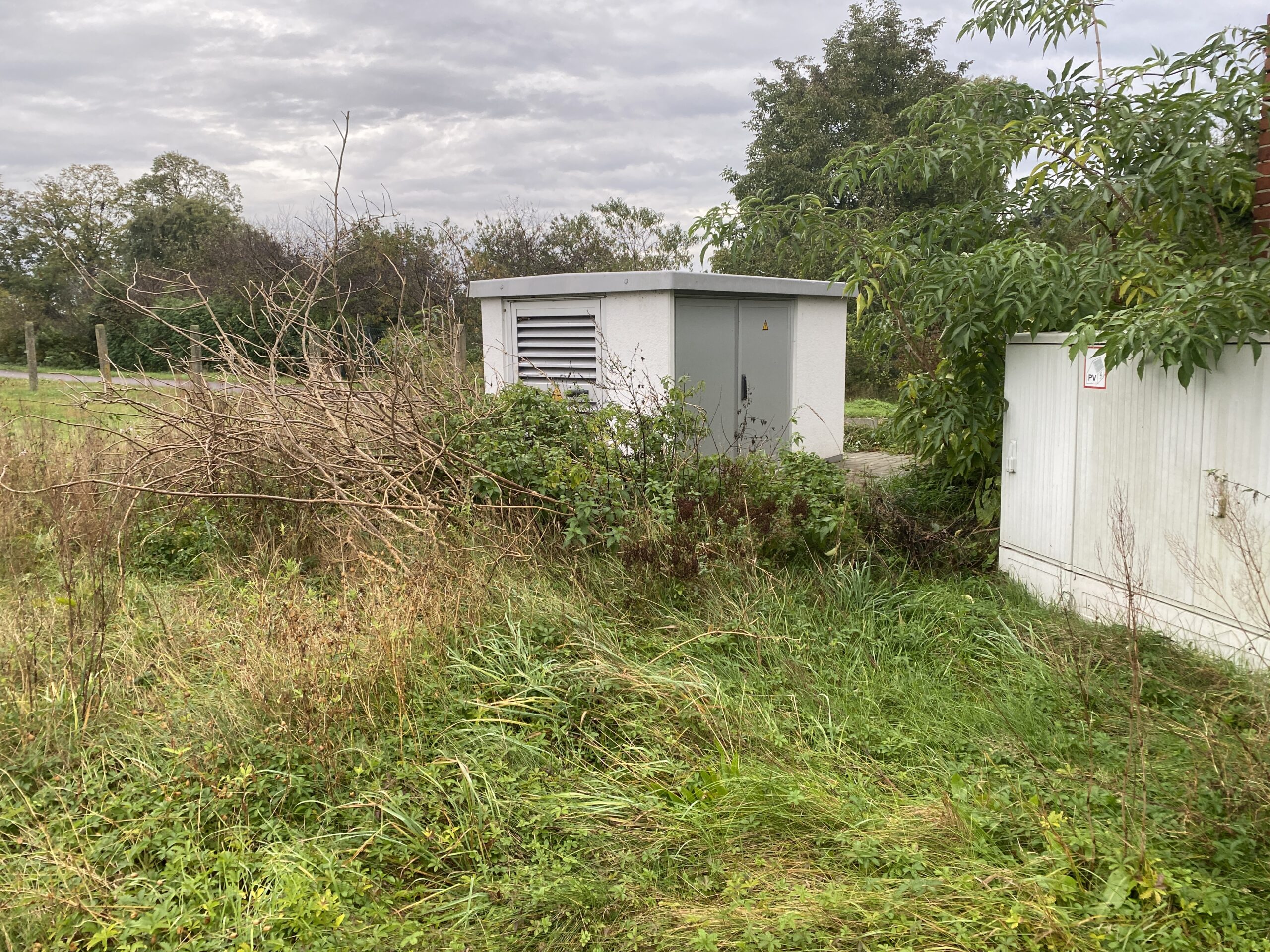
Therefore, regular vegetation management beneath and around modules is essential.
Existing trees should also be cut back on a regular basis. In addition, the area around cable distributors and transformer and compact stations must be kept permanently clear to ensure unhindered access for technicians or network operators in the event of a fault.
Module Cleaning
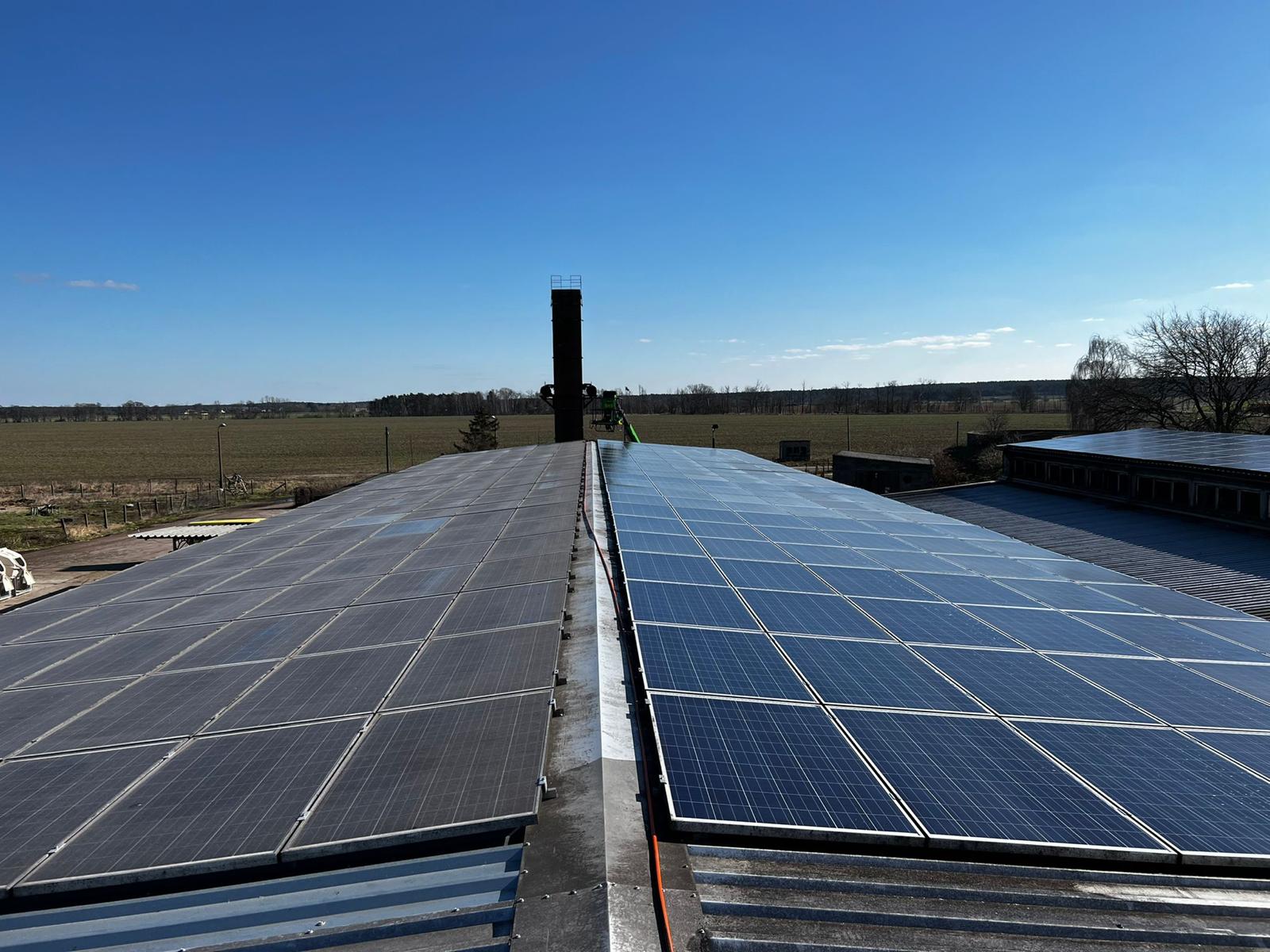
Dirty modules reduce light transmittance and consequently, the efficiency of the solar system. Regular cleaning ensures optimal module performance and maximizes energy output.
Neglecting dirt and deposits can lead to long-term surface damage. Routine cleaning extends module lifespan by protecting against harmful deposits.
Moreover, cleaning allows early detection and repair of potential defects or damages like glass breakage, preventing major failures and costly repairs.
Moreover, cleaning allows early detection and repair of potential defects or damages like glass breakage, preventing major failures and costly repairs.
Solar systems are significant investments. Regular cleaning safeguards this investment by ensuring efficient system operation and expected yields.
Repowering
Repowering becomes necessary when obsolete components are no longer available and must be replaced with current models.
In addition, older systems have a higher failure rate and require more maintenance, which means that in some cases it may be worthwhile replacing older components.
Higher efficiency of the components can increase annual yield. It is crucial to ensure that the output power remains constant to avoid loss of feed-in tariff.
Repowering can increase plant performance through more powerful components, effectively expanding the facility without increasing land use. Consequently, this requires a new feed-in tariff.
Shortages in spare parts can lead to extended downtimes and subsequent revenue losses.
Technologically advanced components not only improve spare part availability but also enhance energy generation effectiveness, standardisation, digitalisation and ease of maintenance. Additionally, they typically come with several years of manufacturer warranty.
Before repowering, thorough assessment and meticulous planning of potential measures is necessary. A profitability calculation is then carried out for each solution to ensure its effectiveness.
Direct Marketing Connection
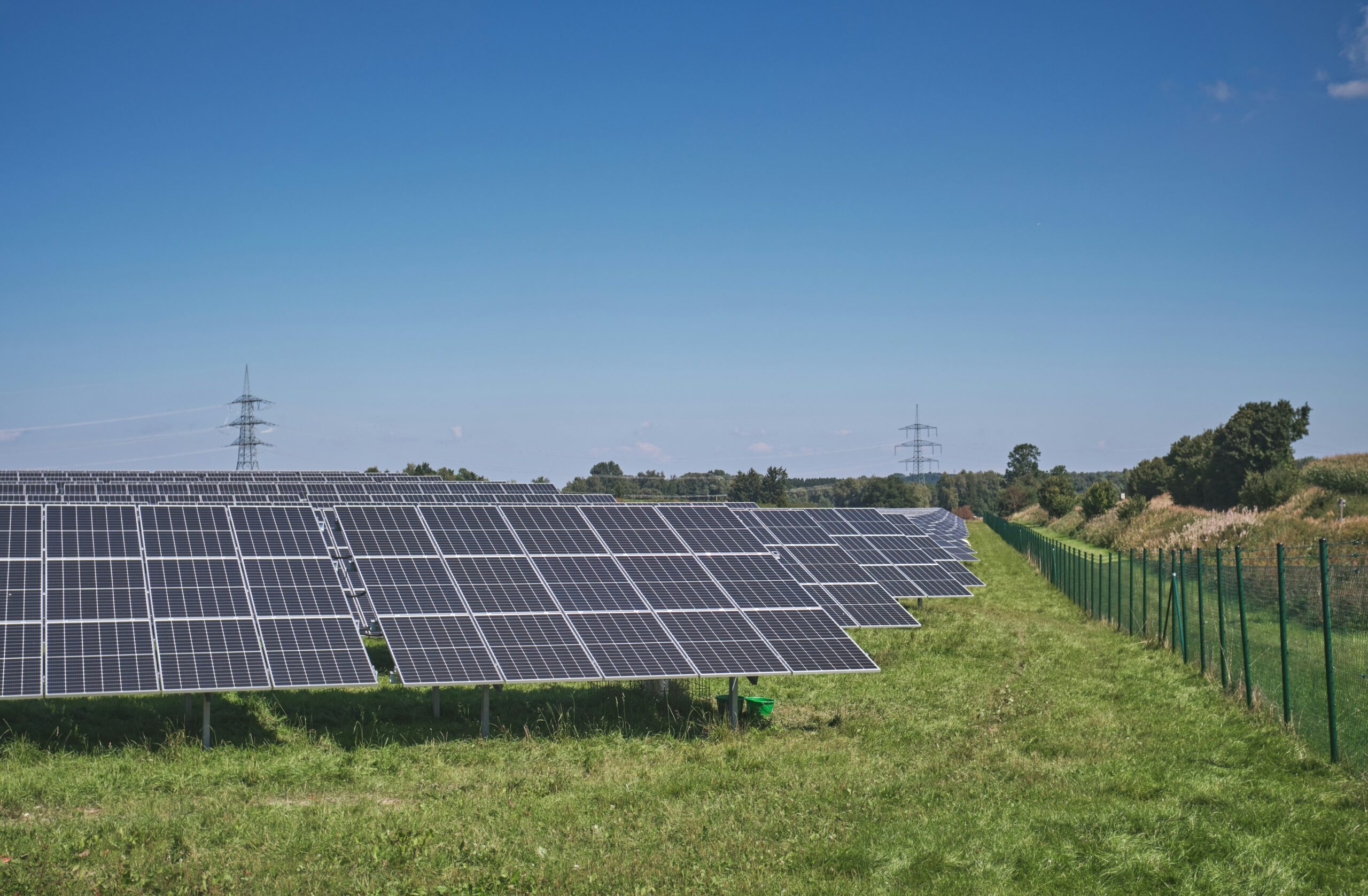
The electricity generated by all photovoltaic systems with a capacity of over 100 kW must be marketed directly in accordance with legal requirements. Existing contracts with direct marketers are often terminated, prompting agreements with new providers and ensuring compliance with EEG remuneration requirements.
It is crucial that a new direct marketer receives live system data and can respond to shutdown commands, requiring specific network setting adjustments at the installation site.
Affected by direct marketing contract termination? Need assistance connecting your system to a new direct marketer?
Expert Report
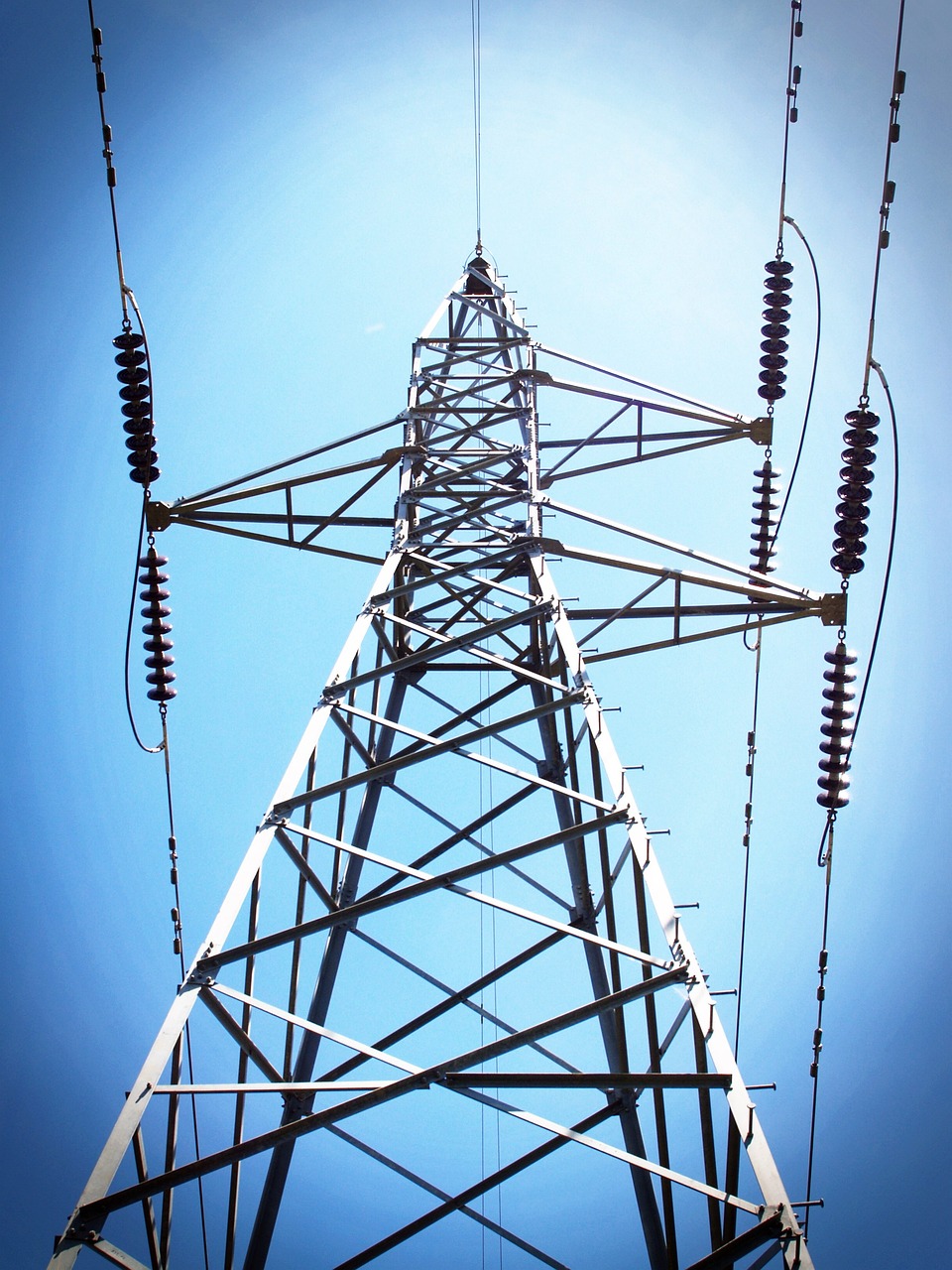
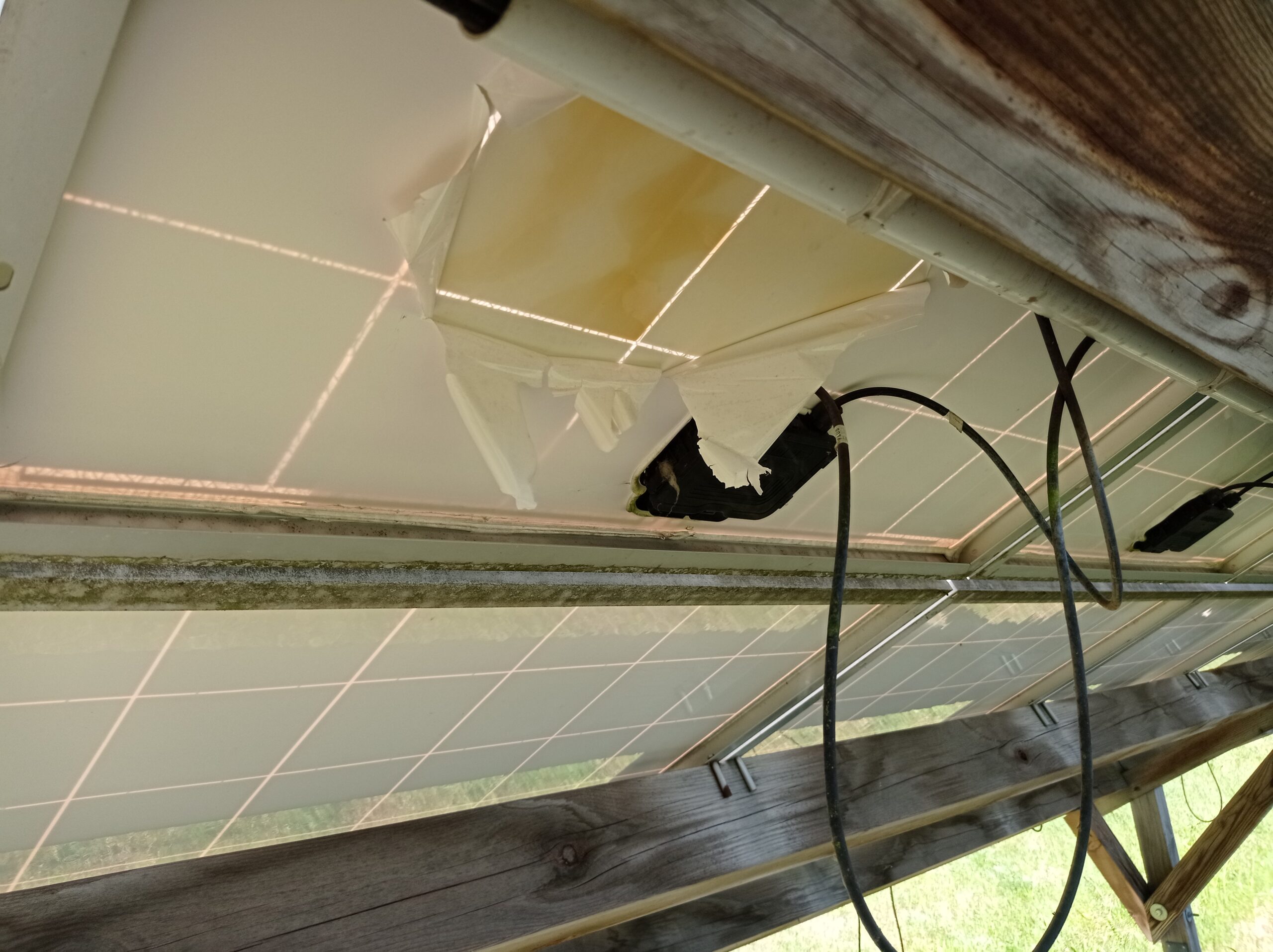
Photovoltaic system operators often realise late that their system fails to meet expected yields or installation errors damage roofs. Post-manufacturer insolvency, product defects may emerge, raising operational safety concerns.
Competent advice is essential in cases of system issues or disputes.
Our experts conduct detailed assessments of your solar installation, identifying errors, construction defects, and offering solutions.