Technical Operations Management

Only regular monitoring can ensure smooth operation and thus an optimum economic yield from a photovoltaic system.
Below you will find the service descriptions for all areas of our technical operations management, which include system monitoring, the customized annual report, incident management, annual maintenance, system repairs and initial inspection.
Monitoring – 365 Days a Year

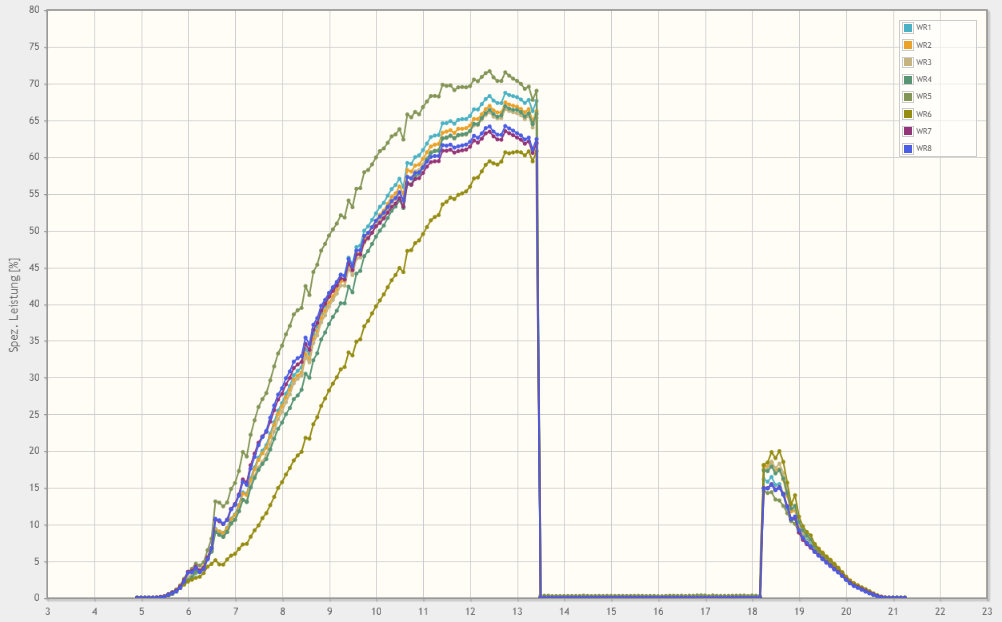
  • Performance Monitoring
    Monitoring, identification of deviations and analysis of incidents

    Our professional monitoring system continuously collects and analyzes data, allowing us to swiftly detect unforeseen operational changes. This enables us to promptly respond to alarms and fault reports, initiating immediate troubleshooting.

  • Reliable Fault Detection and Diagnosis
    Automatic individual alarm evaluation

    With individually configured alarms, deviations from normal operation can be quickly detected. The results are then manually reviewed, facilitating rapid troubleshooting and enhancing the productivity of the system.

  • Customer Portal Access
    Individual access to your system

    You will receive access to our online portal, allowing you to view the current performance of your system at any time.

Annual Report – Updated Monthly

  • Energy Feed-In Report
    Monthly energy yields

    The focus of the annual report is the monthly feed-in data transmitted by the system. These are made available to you on a monthly basis. Once the year is complete, this results in a complete annual report.

  • Target vs. Actual Comparison
    Comparison of actual values with forecasts and individual assessments

    The target vs. actual comparison of produced energy provides a detailed overview of your system’s performance. Our experts review each monthly report to identify deviations and analyze their causes.

  • Events and Interventions
    Summary of all occurrences

    Regular reports within our technical operations and maintenance ensure transparent tracking of all actions taken. The report is updated monthly with all notable events and interventions.

  • Individual Customization
    Presentation of additional metrics and report in desired format

    We customize your reporting, so that you receive all relevant data in the desired format for convenient further use. If needed, we supplement the report with additional metrics.

Incident Management

Incident management includes identifying faults and initiating and overseeing corrective actions until normal operations are fully restored. This minimises yield losses and ensures economic operation. Our ticketing system streamlines processes and provides a transparent overview of ongoing and completed measures.

  • Close Communication during Incidents
    Direct customer notification of fault analysis and planned actions

    As soon as a fault requiring on-site inspection is identified, we promptly inform you. This keeps you fully updated on the current status of your system.

  • Updates on Ongoing Measures
    Customer information after on-site intervention

    Upon identifying the fault source, we immediately initiate corrective actions and keep you informed of the status and expected resolution time.

  • Quick Fault Resolution
    Extensive network of technicians

    Our extensive technician network enables us to react quickly to major faults, such as total outages due to grid fluctuations, and to minimise yield losses.

Servicing – Inspection and Maintenance
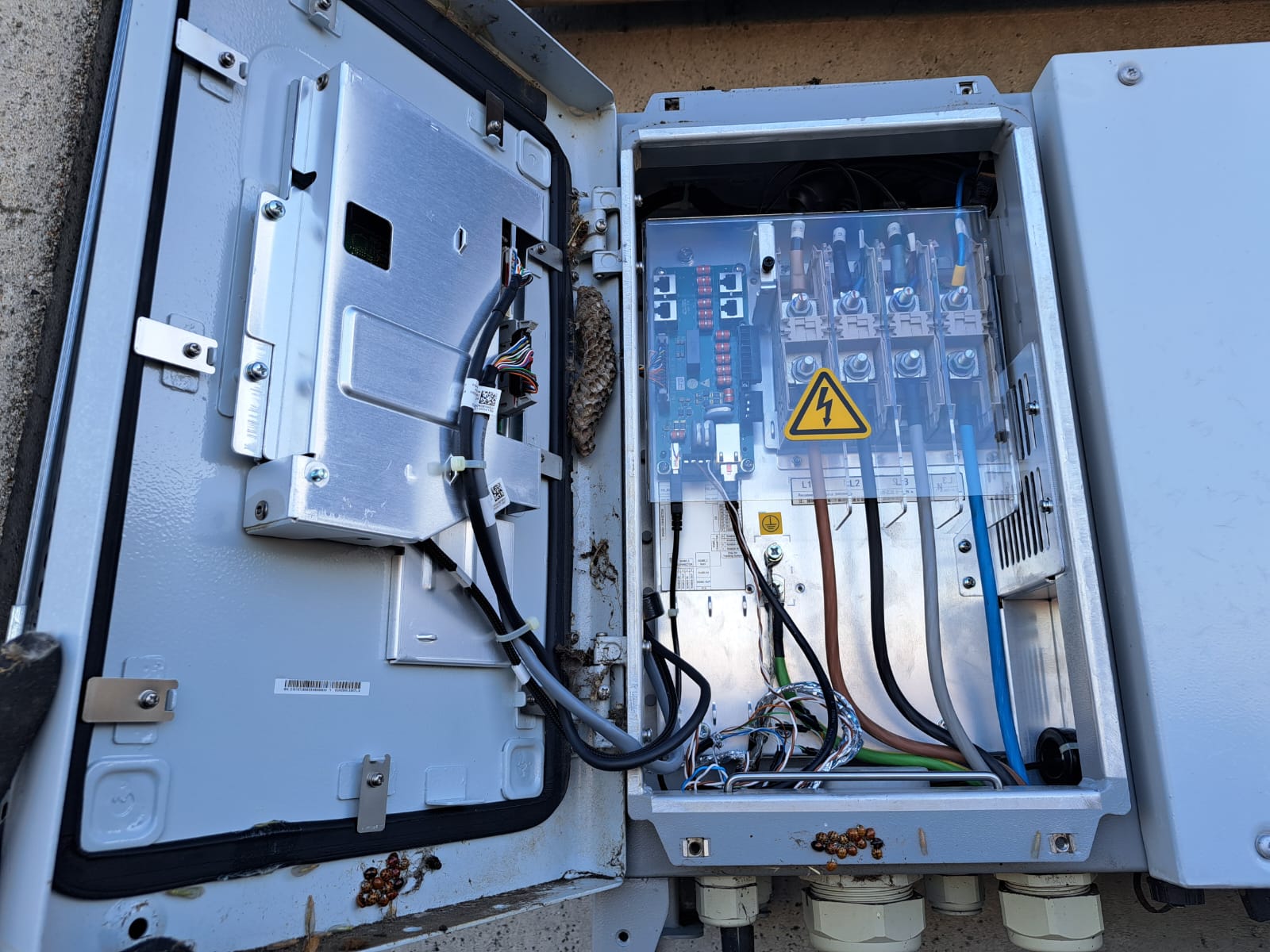
  • Annual Maintenance
    Inspection by qualified technicians

    Regular maintenance is crucial for early identification and to address potential failures, preventing operational disruptions. Early detection of potential weaknesses extends the system’s lifespan and reduces possible consequential failures.

  • Detailed Maintenance Protocol
    Documentation of current conditions and recommendations

    After each maintenance session, a detailed protocol documenting the system’s current condition and recommendations for optimising operation is created. A comprehensive maintenance protocol with images and condition assessment is particularly essential for insurance purposes. In the event of damage, a lack of detailed protocol can lead to a claim not being honoured.

  • Annual Drone Images
    Early fault detection for rooftop systems

    For rooftop systems, drone images can document areas that are difficult to access and identify potential problems such as dirty or damaged modules.

Maintenance – Repair

Maintenance is an essential part of operational management and includes all measures to restore the functionality of the devices and components of a system after a failure or defect. It is aimed at restoring the original performance and safety of the technical system.

  • Fault Diagnosis and Damage Analysis
    Error analysis and measure initiations

    Fault diagnosis focuses on determining the cause of a current malfunction to find a quick and efficient solution. Damage analysis, on the other hand, investigates underlying factors leading to the failure, aiming to prevent future incidents.

  • Repair Measures
    Planning and execution

    Depending on the damage analysis, minor repairs are carried out immediately, or major measures are planned. Good planning is essential to avoid unnecessary travel times and material shortages.

  • Testing and Inspection
    Control of the conducted measures

    Testing and inspection of the repaired elements is as important as the repairs itself. Final control ensures the success of the measure and prevents subsequent failures.

  • Documentation and Reporting
    Detailed documentation for insurance or manufacturer 

    Detailed documentation is crucial for successfully completing measures and ensuring traceability later. This is especially important for insurance and warranty claims.

Initial Inspection – Recording the Current State

The initial inspection is the inclusion of your system in our technical operations management. During this on-site visit, the entire current state and key data of the photovoltaic system are recorded. We also integrate the system into our monitoring system and enter master data into our database. This detailed knowledge of the system allows us to analyse faults more quickly and procure replacement parts if necessary, while keeping it efficient and cost-effective.

  • Photo Documentation
    Recording all components and spare parts inventory

    Comprehensive photo documentation captures the current state of the system. This ensures that we know which components are installed and can refer to the photo documentation for quicker analysis and spare parts procurement in case of faults. In some cases, it is advisable to build up a stock of specific spare parts to prevent prolonged supply chain issues.

  • Integration into Our Monitoring System
    Entering all master data and plausibility checks

    During the initial inspection, IT settings are configured on-site, allowing us to receive real-time feed-in data. Incoming data is also checked for plausibility.

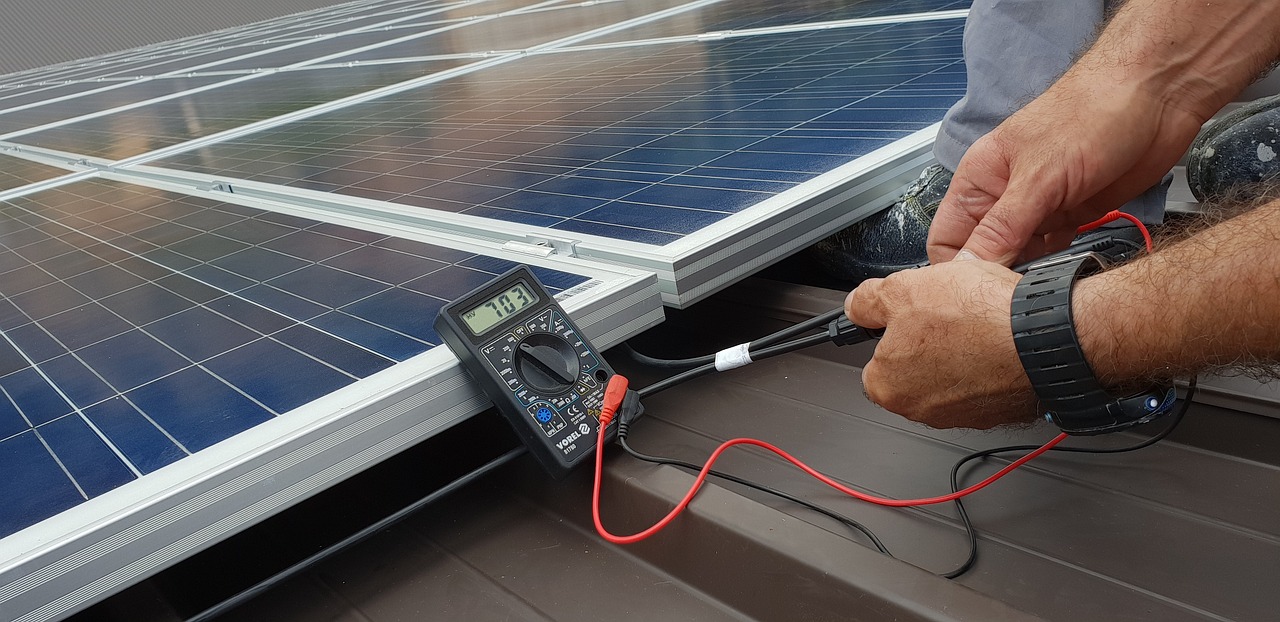
  • On-Site Measurements
    Such as string measurements

    On-site measurements may be necessary for precise analyses, especially for older systems.

  • Initial Inspection Report
    Recording all data, device types, serial numbers, passwords, contacts, locations, and access information

    The final initial inspection report documents all relevant data ensuring we thoroughly understand your system, identify faults better and act faster if needed.